Care for the whole hive
ApiVera helps you think beyond mites and support the many factors that can affect colony health.
Whether you have one hive or a growing bee yard, ApiVera makes it easier to care for your bees throughout the season. Start with the product and application method that fit your needs today.
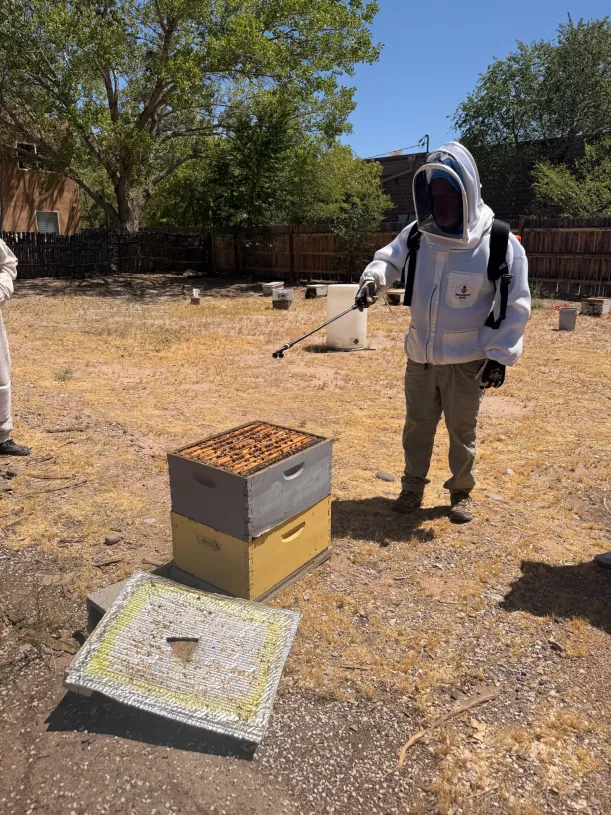
Start with what your bees or equipment need, choose an application method that fits your apiary, and follow the step-by-step guide.
Start with what your bees or equipment need, choose the application method that works best for your apiary, and make ApiVera part of your seasonal routine.
ApiVera helps you think beyond mites and support the many factors that can affect colony health.
Add Hive Health at familiar times, including spring buildup, the middle of the season, and fall preparation.
Begin with a pump sprayer or choose powered equipment that makes treating more hives faster and easier.
Live bees call for Hive Health. Empty equipment calls for Hive Wash.
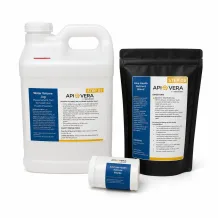
Use Hive Health when bees are present to support brood, colony strength, and seasonal health.
Do not apply Hive Health at the same time as an essential oil–based hive product. If one was used previously, complete a small-scale compatibility test before treating the full hive.
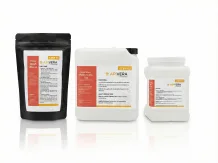
Use Hive Wash only when live bees are not present to clean empty boxes, tools, and used hive equipment before reuse.
Choose the method that fits your hive count and how you like to work. Start simple, then change methods as your apiary grows.
Answer three quick questions. Your budget sets the starting point, your priorities refine the choice, and hive count helps rule out methods that may not be practical at your scale.
A budget-friendly, hands-on option for treating a small number of hives.
A battery-powered, portable option that is easy to pick up, start, and move from hive to hive.
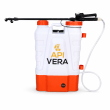
A battery-powered, portable applicator that automates treatment timing for a consistent dose at every hive.
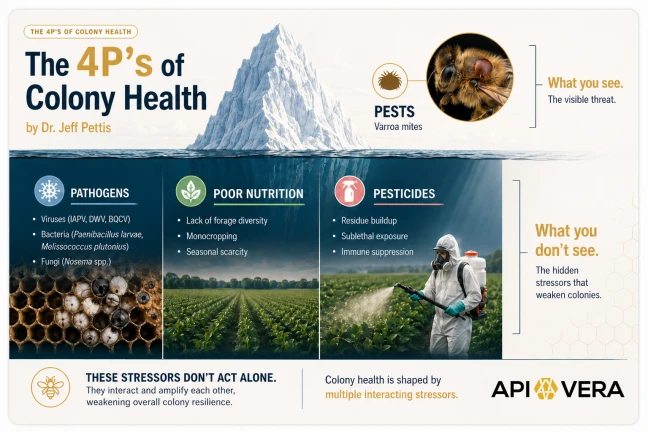
Mites are often the first problem you see, but colony health is shaped by several pressures at once. The 4P’s offer a simple way to look at the whole hive.
Use these seasonal checkpoints as a starting point, then adjust for your bees, climate, and goals.
Build a seasonal treatment plan and calculate how many treatments and kits you need based on your hive count and hive setup.
Plan & calculateEnter your hive count and equipment setup to estimate the number of treatments and Hive Wash kits needed for empty boxes, tools, and hiveware.
Calculate kitsUse Hive Health as colonies begin growing and raising more brood.
Use it as forage changes and colonies move through the busiest part of the year.
Support colonies after honey removal and the work of summer.
Add it to your fall preparation as colonies settle in for winter.
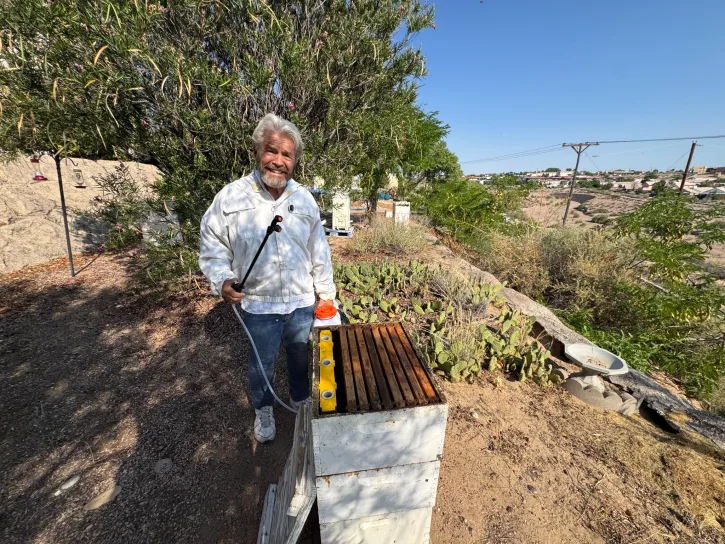
“My bees have a visible shine I’ve never seen before—and the results speak for themselves. By the end of July, I’ve nearly matched last year’s honey production, with more harvest still ahead.”
Find practical application guidance, approachable science, and conversations with experienced bee-health researchers—all selected for hobbyist and growing apiaries.
A straightforward introduction to ApiVera chemistry, products, application methods, and the 4P’s of colony health.
View the overviewStep-by-step guidance for preparing and applying Hive Health to live colonies.
Read the guideGuidance for cleaning deadouts, equipment, and used hiveware when no live bees are present.
Read the guideExplore field observations from colonies placed into Hive Wash-treated equipment, including colony development and production outcomes.
View the studyA beekeeper-friendly look at post-treatment brood-pattern observations from working colonies in the field.
Read the field storyAn approachable summary of research connecting queen development, physical quality, disease pressure, and colony outcomes.
Read the overview
Dr. Jeff Pettis joins Terra Vera CEO Carlos Perea for a longer-form conversation about ApiVera, Hive Health, Hive Wash, biosecurity, Varroa control, and practical colony-health challenges.
Watch or listen
Dr. Humberto Boncristiani and Dr. Jeff Pettis discuss oxidant chemistry and the broader colony-health picture.
Watch the conversation
A focused conversation with Dr. Pettis and Dr. Boncristiani about queen health, ApiVera, and observations from the field.
Watch the conversationBrowse additional studies, white papers, field stories, videos, presentations, and detailed application resources.
Start here for the basics, then use the application guide and compatibility check for product-specific directions.
ApiVera is Terra Vera’s bee-health product line. It combines Terra Vera’s chemistry with practical application methods designed for beekeepers managing anything from a few backyard hives to a growing apiary.
Explore the ApiVera overviewHive Health is used as part of a live-colony routine. Hive Wash is for cleaning empty boxes, tools, and used hive equipment when no live bees are present.
Compare Hive Health and Hive WashHive Health is the ApiVera option intended for live colonies. Always follow the current application guide for mixing, timing, dosage, weather conditions, and method-specific instructions.
Open the Hive Health Application GuideDo not use Hive Health at the same time as an essential oil–based hive product. If one was used previously, test a small area and observe it for 24 hours before treating the full hive. Review the complete compatibility instructions before use.
A Pump Sprayer is the most budget-friendly and hands-on option. The Backpack Mister is portable, battery powered, and operator driven. The On-Hive Fogger automates treatment timing for a repeatable dose.
Use the Application Method FinderMany beekeepers build Hive Health into familiar seasonal checkpoints such as spring buildup, mid-season management, post-harvest, and fall preparation. The right schedule depends on your colonies, location, goals, and current application guidance.
Plan your Hive Health treatmentsUse the Hive Health planner or Hive Wash calculator to enter your hive count and setup, estimate treatment needs, and determine the number of kits to purchase.
A Hive Health kit provides approximately 42 single-deep treatments, based on an average of 250 mL per treatment. A Hive Wash kit covers approximately 25 hive boxes, based on an average of 280 mL per box. Double-deep colonies generally require about twice the Hive Health chemistry per treatment.
The resource section includes application guides, the ApiVera overview, field observations, the Hive Wash study, a queen-quality review, podcast conversations, and Inside the Hive videos. The parent ApiVera page links to the complete resource library.
The commercial beekeeper page focuses on higher-throughput application, labor efficiency, bulk treatment planning, commercial workflows, and field support for larger operations.
Visit the Commercial Beekeepers pageReceive seasonal reminders, application tips, new field stories, and research updates for beekeepers.
See higher-throughput application options, labor-saving workflows, bulk treatment planning, and commercial field resources.
Visit the commercial beekeeper pageHive Health guidance
Complete this check before broader use if an essential oil–based hive product was used previously or if you are unsure of the hive’s treatment history.
Important compatibility information
Hive Health is an oxidative chemistry that may react with essential oil–based products. Do not use Hive Health in conjunction with these products. If an essential oil–based product has been used previously, complete a small-scale compatibility test before treating the full hive or apiary. Read and follow all instructions carefully.
If you are unsure whether the hive is ready for Hive Health, contact Terra Vera before proceeding with full application.
If no unusual response is observed: you may proceed with broader treatment.
If you observe an adverse reaction, bees avoiding the area, or a strong odor: do not continue. Contact Terra Vera before proceeding.